
Tanzania Safari Seasons, Simply Explained: When Is the Best Time to Visit?
Planning a safari in Tanzania starts with one important question: when should you visit? The answer depends on the wildlife you want to see, the kind of experience you prefer, and how you would like to spend your time in Africa.
Tanzania is a year-round safari destination, but each season offers something different. The dry months bring excellent wildlife viewing, while the green season brings fresh landscapes, newborn animals, and wonderful opportunities for photography. If seeing the Great Migration is your main goal, choosing the right region at the right time is especially important.
In this guide, we explain Tanzania safari seasons in simple terms, including the best months for wildlife viewing, the Great Migration, calving season, fewer crowds, and better value. You will also learn how to choose the right season for your travel plans.
Key Takeaways
- June to October: The dry season offers excellent wildlife viewing and is a popular time for a classic Tanzania safari.
- January to March: A rewarding period for seeing wildebeest calving in the southern Serengeti and Ndutu, particularly in late January and February.
- November to December: The short rains bring greener landscapes, migratory birds, and changing wildlife movements.
- April to May: The long rains create beautiful scenery and may offer lower accommodation rates, although some camps close and road conditions can become difficult.
- Best time for the Great Migration: It depends on the stage of the migration, from calving in the south to possible river crossings in the north.
- Best time for your safari: Choose your dates according to your wildlife interests, preferred accommodation, budget, and travel pace.
Understanding Tanzania’s Safari Seasons
Tanzania generally has a long dry season, a short rainy season, and a longer rainy season. January and February often fall between the two main rainy periods, although weather conditions vary from year to year and across different regions.
The dry season generally runs from June to October. Short rains usually arrive between November and December, while the longer rains tend to fall between March and May.
These seasons influence the appearance of the landscape, the availability of water, and the movement of wildlife. However, Tanzania’s national parks do not all follow exactly the same pattern.
For example, the Serengeti and Ngorongoro offer wildlife viewing throughout the year, while Tarangire is particularly rewarding during the dry months when animals gather around the Tarangire River.
The most important thing to understand is that there is no single best month for every safari. Your ideal travel dates depend on what you want to experience.
The Dry Season: June to October
The dry season is one of the most popular times to visit Tanzania. Rainfall is generally lower, vegetation becomes thinner, and animals often gather around rivers and other remaining water sources. These conditions can make wildlife easier to spot during game drives.
For first-time visitors, families, and travellers hoping to see a wide variety of wildlife, this is an excellent period to consider.
1. Enjoy Excellent Wildlife Viewing
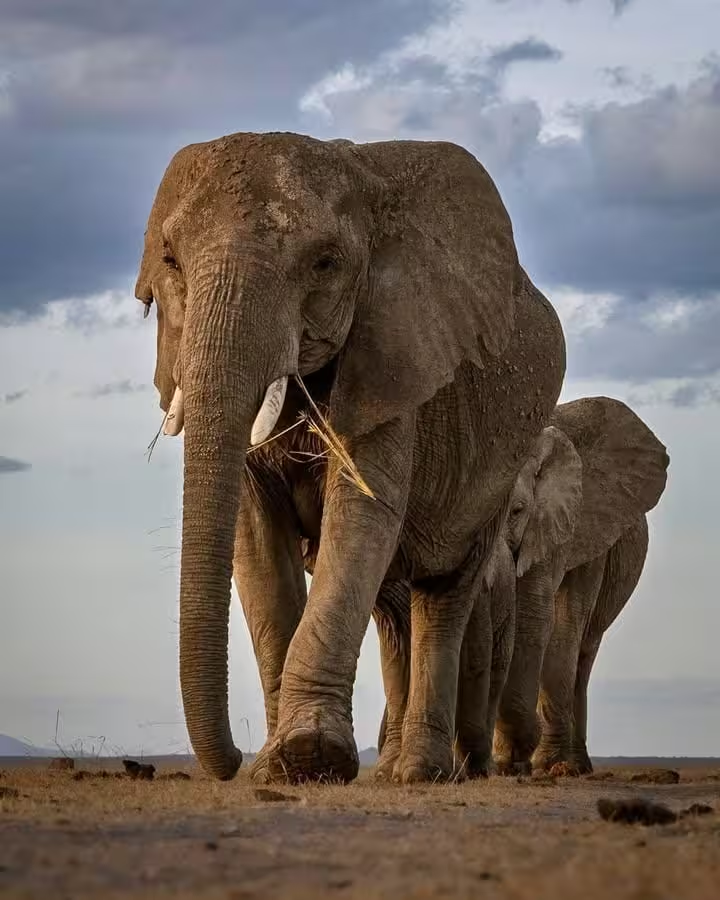
Tarangire National Park is especially rewarding during the dry season. Large elephant herds, giraffes, zebras, and other animals are often seen around the Tarangire River.
In the Serengeti, the open plains provide opportunities to search for lions, leopards, cheetahs, elephants, and other wildlife. Ngorongoro Crater is another excellent choice, with its varied habitats supporting a high concentration of animals.
Your guide will help you understand animal behaviour, read tracks, and choose the best areas to explore based on recent sightings.
2. Follow the Great Migration North
From around June onwards, parts of the Great Migration move through the western and northern Serengeti, depending on rainfall and grazing conditions.
Between approximately July and October, the northern Serengeti becomes a popular area for travellers hoping to witness wildebeest crossing the Mara River. These crossings can be dramatic, but they are natural events and cannot be guaranteed on a particular day.
If river crossings are your main priority, allow several nights in the northern Serengeti rather than visiting for just one night.
3. Understand the Advantages and Disadvantages
The dry season offers comfortable safari conditions and excellent opportunities for wildlife viewing. However, it is also a busy period, especially in July, August, and September.
Popular lodges and tented camps may fill up well in advance, and prices are often higher during peak travel dates.
Best for: First-time safari visitors, Big Five viewing, families, photographers, and travellers hoping to see the Great Migration in northern Serengeti.
The Short Rains: November to December
The short rains usually arrive between November and December. They often fall as brief showers, although the timing and amount of rainfall can vary.
The first rains bring fresh grass and turn dry landscapes green again. For travellers who enjoy beautiful scenery and a quieter atmosphere, this can be a lovely time to explore Tanzania.
1. Experience Tanzania’s Green Landscapes
After months of dry weather, the plains begin to change colour. Trees and grass become greener, the skies can be dramatic, and the scenery offers wonderful opportunities for photography.
Wildlife remains present, and game drives can still be productive. You may need more patience in areas where thicker vegetation makes animals harder to spot.
2. Enjoy Birdwatching
The green season is particularly attractive for birdwatchers. Migratory birds arrive, and many resident species become active around the changing habitats.
Even if you have visited Tanzania during the dry season, returning during the short rains can offer a different experience.
3. Follow the Migration Towards the South
As grazing conditions change, many wildebeest gradually move towards the southern Serengeti and Ndutu plains.
The exact timing depends on rainfall and the availability of fresh grass. Therefore, your safari route should be planned around likely herd movements rather than fixed dates.
Best for: Photography, birdwatching, greener scenery, and travellers looking for an alternative to the busiest safari months.
The Calving Season: January to March
January to March is an exciting period for wildlife enthusiasts, especially those interested in the Great Migration and predator behaviour.
During this time, large numbers of wildebeest gather across the southern Serengeti and Ndutu plains. Many calves are born within a relatively short period, attracting predators such as lions, cheetahs, and hyenas.
Late January and February are particularly popular months for calving-season safaris, although births and herd movements do not follow an exact calendar.
1. Visit the Southern Serengeti and Ndutu
The Ndutu area, which lies within the wider southern Serengeti ecosystem and the Ngorongoro Conservation Area, is a key location for calving-season safaris.
The open grasslands provide opportunities to observe wildebeest herds, newborn calves, and the predators that follow them.
A well-planned itinerary should allow enough time for game drives across the southern plains rather than rushing between several distant parks.
2. Watch Predator Behaviour
The arrival of newborn wildebeest creates opportunities to observe the relationship between predators and prey.
You may see lions resting near herds, cheetahs scanning the plains, or hyenas moving through the grassland. Every sighting is different, and wildlife encounters depend on animal movements and natural conditions.
This is also an excellent period for wildlife photography, especially for travellers interested in animal behaviour rather than simply ticking species off a list.
3. Consider the Weather
January and February can offer a good balance of wildlife viewing and warm weather, with occasional rain possible.
By March, rainfall may increase as the long rainy season approaches. Your guide can adjust daily game drives according to road conditions, wildlife movements, and the time available.
Best for: Great Migration calving, predator sightings, wildlife photography, and travellers who want to experience a different side of the Serengeti.
The Long Rains: April to May
April and May are generally the wettest months of Tanzania’s main safari calendar. Rainfall can be heavier and more persistent, particularly in April, and some unpaved roads may become muddy.
However, this does not mean Tanzania is closed to safari visitors. The long rains offer their own rewards for travellers who are comfortable with changing weather.
1. Enjoy a Lush and Peaceful Landscape
The grasslands become green, the trees are fresh, and dramatic skies create beautiful photographic conditions.
With fewer visitors in some areas, certain game drives can feel quieter and more relaxed. Resident wildlife remains present, although animals may be more spread out and harder to spot in thick vegetation.
2. Look for Better Accommodation Value
Some lodges and camps offer lower rates during the quieter months. This can make the season worth considering if you have flexible travel dates and want to manage your budget carefully.
However, not every property remains open throughout the long rains. Check camp availability and road conditions before confirming your itinerary.
3. Plan Your Route Carefully
The long rains require more attention to logistics. Some roads may be difficult after heavy rainfall, and driving times can change.
A local safari operator can help select suitable accommodation, arrange reliable transport, and adjust the route to avoid unnecessary travel.
Best for: Flexible travellers, photographers, green-season experiences, and visitors seeking potential savings who do not mind the possibility of rain.
When Is the Best Time to See the Great Migration?
The Great Migration is one of Tanzania’s most famous wildlife experiences. Around two million wildebeest, together with large numbers of zebras and other grazing animals, move through the Serengeti ecosystem and into Kenya’s Maasai Mara as they search for fresh grazing.
The herds move throughout the year, following rainfall and grass growth. This means the best place to see them changes with the season.
Here is a simple guide to planning your safari around the migration.
December to March: Southern Serengeti and Ndutu
This period is associated with the southern plains and calving season. It is particularly rewarding for travellers interested in newborn wildebeest and predator activity.
April to June: Central and Western Serengeti
As the rains and grazing conditions change, herds may move through central areas and towards the western corridor. The timing and location vary each year.
July to October: Northern Serengeti
The northern Serengeti is a popular choice for travellers hoping to see Mara River crossings. Some herds may remain in the area for a period, while others move elsewhere.
November to December: The Journey South
As new grass becomes available in the south, many herds gradually begin moving back towards the southern plains.
Remember that these are seasonal patterns, not guaranteed dates. If the migration is the main reason for your visit, choose your travel dates first and then plan the most suitable camps and game-drive areas.
Best Time to Visit Tanzania’s National Parks
Different parks offer different experiences, so choosing your destinations is just as important as choosing your travel season.
Serengeti National Park
The Serengeti is a rewarding year-round destination for wildlife viewing. June to October is popular for dry-season game drives and possible river crossings in the north, while January and February are excellent months to consider the calving areas in the south.
Ngorongoro Crater
Ngorongoro Crater is a strong choice throughout the year. Its varied habitats support many wildlife species, including lions, elephants, buffaloes, and the endangered black and white rhino.
An early-morning crater game drive gives you time to explore the crater floor before returning to the highlands. Your guide will help you search for wildlife while respecting park regulations and the natural environment.
Tarangire National Park
Tarangire is especially rewarding during the dry season, generally from June to October, when wildlife often gathers around the river. Its elephants and iconic baobab trees create a distinctive safari experience. The park can also be visited in other months, but the distribution of wildlife changes with rainfall.
Lake Manyara National Park
Lake Manyara is worth considering for its forest, lake scenery, birdlife, and varied habitats. Wildlife viewing depends on seasonal conditions, and the park can fit well into a northern Tanzania safari route.
Southern Tanzania: Ruaha and Nyerere
For travellers seeking a different safari experience, Ruaha National Park and Nyerere National Park are worth considering.
The dry season is generally a good time to explore these parks, when wildlife can become easier to locate around available water. They can also be a good choice for travellers interested in quieter, less conventional safari routes.
Is Tanzania Worth Visiting During the Rainy Season?
Yes. Tanzania can offer rewarding safari experiences during the rainy season, provided your expectations and itinerary match the conditions. The green season brings fresh scenery, excellent birdwatching, and opportunities to experience wildlife in a different setting. You may also find more accommodation options at lower rates during certain dates.
However, there are trade-offs. Heavy rainfall can affect road conditions, some camps close temporarily, and wildlife may be harder to spot in thicker vegetation. If you travel between April and May, allow flexibility in your plans and work with an operator who understands local conditions.
The rainy season is not automatically the best choice for every traveller, just as the dry season is not perfect for everyone. The right decision depends on what matters most to you.
How Safari Seasons Affect Your Budget
The time of year you travel can make a noticeable difference to your safari cost. Accommodation demand, location, transport, and the type of experience you choose all contribute to the final price.
1. Peak Season
July, August, September, and other busy holiday periods often have strong demand for popular lodges and camps.
If you are planning a private safari during these months, book early where possible, especially if you want to stay in the northern Serengeti or near the Ngorongoro Crater.
2. Shoulder and Green Seasons
November and some other quieter travel periods may offer better accommodation value, depending on the property and dates.
January and February can still be busy around popular calving-season areas, so do not assume that all green-season travel is inexpensive.
3. Long-Rain Season
April and May may provide opportunities for lower accommodation rates. However, savings depend on the lodge, route, and services included in your package.
Compare complete safari quotations rather than accommodation prices alone. Park fees, transport, meals, guide services, and activities all affect the total cost.
4. Choose the Right Accommodation
Tanzania offers a range of accommodation, from simple lodges and mid-range tented camps to luxury safari properties.
The best option depends on your budget, comfort preferences, and the location you want to explore. A well-positioned mid-range camp can be a better choice than a more expensive property that requires long transfers each day.
How to Choose the Right Time for Your Safari
Before booking your trip, consider these four questions.
What wildlife experience matters most? If you want to see newborn wildebeest, consider January and February in the southern Serengeti. If river crossings are your priority, plan for the northern Serengeti during the likely crossing period.
How much time do you have? A safari of five to seven days can work well on a focused northern Tanzania route. Longer holidays give you more flexibility to explore different regions or combine your safari with Zanzibar.
What is your preferred travel style? Private safaris offer greater flexibility for families, couples, and photographers. Shared safaris can be suitable for travellers who prefer to share the vehicle and costs.
What is your budget? Travel dates, accommodation, group size, and transport all affect your total cost. Choose the experience you value most, then build the route around it.
Planning these details together helps you avoid rushing between destinations and gives you more time to enjoy the wildlife.
View Travel Wild: Plan Your Tanzania Safari
At View Travel Wild, we help travellers plan Tanzania safaris around their interests, travel dates, and preferred level of comfort. Whether you want to explore the Serengeti during the Great Migration, watch elephants in Tarangire, search for wildlife in Ngorongoro Crater, or combine a safari with Zanzibar’s beaches, we can help you choose a suitable route and season.
Our local knowledge helps us match your travel dates with the most appropriate parks and accommodation. We also consider driving times, seasonal wildlife movements, and the pace of your journey. You do not need to visit every national park to have a memorable safari. The aim is to choose the right places, allow enough time for wildlife viewing, and enjoy the experience without rushing.
Frequently Asked Questions
1. What is the best month to visit Tanzania for a safari?
June to October is an excellent period for general wildlife viewing because conditions are usually drier. January and February are particularly good months to consider for wildebeest calving in the southern Serengeti. The best month depends on your wildlife interests and preferred destinations.
2. What are the main Tanzania safari seasons?
The main seasons are the dry season from June to October, the short rains around November and December, and the long rains from around March to May. January and February often provide a relatively drier period between the main rainy seasons.
3. Can I go on safari in Tanzania in April or May?
Yes. Safaris are possible during April and May, but heavier rainfall can affect roads, driving times, and camp availability. These months can offer green landscapes and potential accommodation savings. A flexible itinerary is recommended.
4. When is the Great Migration in Tanzania?
The Great Migration takes place throughout the year. The herds generally gather in the south for calving early in the year, move through central and western areas as the seasons change, and may reach the northern Serengeti for river crossings between approximately July and October. Exact timing varies with rainfall and grazing conditions.
5. When is the best time to see wildebeest calving?
Late January and February are particularly popular for wildebeest calving in the southern Serengeti and Ndutu. March may also offer opportunities, depending on herd movements and weather conditions.
6. Is Tanzania good for a safari all year round?
Yes. Tanzania offers wildlife viewing throughout the year, especially in the northern safari circuit. However, rainfall, wildlife distribution, accommodation availability, and travel costs vary by season and location.
7. Is the dry season more expensive than the rainy season?
Generally, popular dry-season months have higher demand and may come with higher accommodation rates. Some properties offer lower rates during quieter periods, particularly in April and May. Actual prices depend on travel dates, accommodation, and the safari route.
8. When should I book my Tanzania safari?
Book as early as possible if you plan to travel during July, August, September, Christmas, or a popular migration period. Early booking gives you a better chance of securing your preferred camps and room types. For quieter travel periods, availability may be more flexible, but it is still wise to confirm your arrangements in advance.
9. What is the best time to combine a Tanzania safari with Zanzibar?
June to October is a popular period for combining a safari with Zanzibar’s beaches. December to February is another attractive option for travellers who prefer warmer weather. April and May are generally wetter months on the coast, so consider the conditions when planning your beach extension.
10. How do I choose the right Tanzania safari season?
Start by deciding what you want to experience, such as the Great Migration, calving season, Big Five wildlife viewing, photography, or a beach holiday. Then choose travel dates and match your route to the most suitable parks. A local safari operator can help you balance wildlife opportunities, accommodation, budget, and travel time.
Final Thoughts: Choose Your Season, Then Follow the Wild
Understanding Tanzania safari seasons makes planning easier, but the right time to visit is ultimately the time that suits your interests and travel plans.
The dry season offers excellent wildlife viewing, the calving season brings unforgettable moments on the southern plains, and the green season reveals a different side of Tanzania’s landscapes. Each has its own advantages.
Instead of choosing dates based only on a general recommendation, start with the experience you want most. Then we will build your safari around the right region, accommodation, and pace.
Explore Tanzania with View Travel Wild and let us help you plan a safari that feels right for you.