
On the eastern shore of Lake Tanganyika, a forested mountain range rises straight from waters so clear you can see thirty metres down. This is Mahale Mountains National Park — one of the most remote and most extraordinary places to track wild chimpanzees on earth. Around 1,000 chimpanzees live here, and roughly 60 of them, known as the M-group, have been habituated to human presence over more than fifty years of research begun by Japanese primatologists in the 1960s.
Getting to Mahale is part of the experience. There are no roads in — you fly from Arusha to a small airstrip, then board a wooden dhow for the final hour across the lake. There are only two camps in the entire park, both barefoot-luxury affairs with no more than a dozen guests. The pace is slow. Mornings are for chimp trekking, afternoons for kayaking, snorkelling, or simply lying in a hammock listening to the forest.
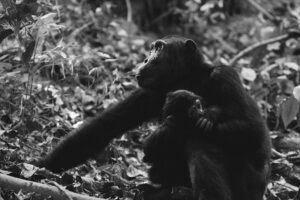
Tracking the chimps means following local trackers up steep, forested slopes — sometimes for an hour, sometimes for four. When you find them, you sit on the forest floor at a respectful distance and watch a society that shares 98% of our DNA go about its day. Mothers groom infants, adolescents wrestle, an alpha male displays with a thunderous drumming of buttress roots. It is humbling in a way that no Big Five sighting quite manages.
Mahale pairs beautifully with a southern Tanzania safari in Ruaha or Nyerere, or with a few days on Zanzibar. Plan four nights minimum — the journey is too significant for anything less.